How Many Marshals and Stewards Do I Need for My Event? Preview: How many marshals…
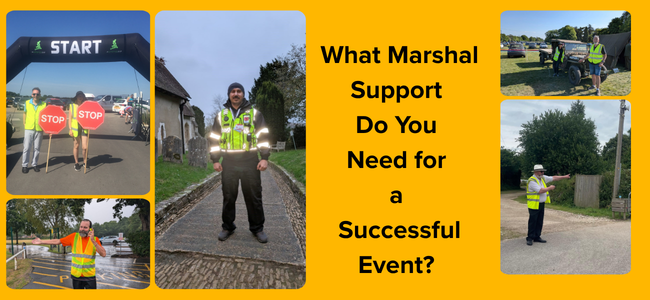
What Marshal Support Does Your Event Really Need?
What Support Do You Actually Need for a Successful Event?
Planning an event can feel like juggling a hundred moving parts at once. Whether you are organising a festival, charity walk, open day, exhibition, market or corporate event, one question often gets overlooked until quite late in the process:
What support do you actually need to make the event run smoothly?
It is easy to focus on the visible elements the entertainment, the layout, the branding but behind every successful event is a well-planned structure of people managing safety, movement and experience.
This is where professional marshals and stewards come in. But rather than simply thinking “we need some staff”, it is far more useful to look at your event in three stages:
- Before the event
- During the event
- After the event
By breaking it down this way, you can better understand what support you need and where professional event staffing can make the biggest difference.
Before the Event: Planning, Advice and Getting It Right Early
The success of your event is often decided long before the first guest arrives.
At this stage, many organisers are still working out logistics, timelines and layouts. This is exactly when experienced event staffing providers can add real value — not just by supplying marshals and stewards, but by helping shape the plan itself.
Understanding your event needs
Every event is different. A charity walk has very different requirements to a busy indoor exhibition or a large outdoor festival.
Key questions to consider include:
- How many people are you expecting?
- Will there be multiple entry and exit points?
- Are there restricted or VIP areas?
- Is the event spread across a large space?
- Will there be road crossings or public access points?
- Is alcohol being served?
These factors all influence how many marshals and stewards you need, and where they should be positioned.
Site layout and crowd flow
One of the most common issues at events is poor crowd flow. Bottlenecks at entrances, confusion around signage, or overcrowding in certain areas can quickly impact safety and experience.
Planning ahead with professional input helps you:
Position entrances and exits effectively
Identify high-traffic areas
Create natural movement routes
Avoid congestion points
For example, at a market or open day, simple changes to layout can dramatically improve how visitors move around the space.
Booking the right mix of staff
Not all events require the same type of support. Some may need a strong presence of marshals for movement and route management, while others benefit more from stewards at fixed points such as entrances or information areas.
Getting the right balance early on means:
Better coverage
More efficient staffing
Reduced risk on the day
During the Event: Roles, Visibility and Flexibility
Once your event is underway, everything comes down to execution. This is where professional event marshals and stewards really prove their value.
A well-managed event should feel calm, organised and easy to navigate — even when large numbers of people are involved.
First impressions matter
The moment guests arrive, they are forming an opinion.
Are there clear directions?
Is there someone to guide them?
Do things feel under control?
Visible, approachable stewards and marshals help create that positive first impression. They provide reassurance and set the tone for the entire event.
Managing entrances and exits
Entry points are often where problems start if they are not properly managed.
Professional stewards help by:
- Managing queues efficiently
- Checking tickets or registrations
- Controlling access to restricted areas
- Preventing overcrowding
At larger events such as festivals or exhibitions, this can make a huge difference to both safety and guest experience.
Keeping people moving
Events naturally create areas of congestion — near stages, food stalls, toilets or key attractions.
This is where marshals and stewards work together to:
Guide foot traffic
Prevent bottlenecks
Redirect flow when needed
Keep emergency routes clear
At a charity walk, marshals ensure participants stay on route and move safely through crossings. At a festival, they monitor crowd density and keep key areas accessible.
Being adaptable in real time
No matter how well you plan, things change on the day.
Weather shifts. Crowds gather unexpectedly. Timings move.
Professional event staff are trained to adapt quickly. They can:
- Reposition to busier areas
- Respond to emerging issues
- Communicate with event organisers
- Support quick decision-making
This flexibility is something that is very difficult to replicate with untrained or volunteer-only teams.
Supporting the overall experience
It is easy to think of marshals and stewards purely in terms of safety, but they also play a key role in customer experience.
They are often the people guests ask for help:
“Where is the entrance?”
“Where are the toilets?”
“What time does this start?”
Friendly, informed staff can turn a potentially frustrating situation into a positive interaction.
After the Event: Feedback, Insight and Improving Next Time
Once the event finishes, many organisers move straight on to the next project. But one of the most valuable stages is often overlooked — review and feedback.
This is where working with a professional team really pays off.
On-the-ground insight
Marshals and stewards have a unique perspective. They see how people actually move through the event, where confusion occurs and where pressure builds.
Their feedback can highlight:
- Areas where crowd flow could be improved
- Points where more staff were needed
- Signage that wasn’t clear enough
- Timings that caused congestion
This insight is incredibly useful when planning future events.
Identifying what worked well
It is just as important to understand what went right.
Which areas ran smoothly?
Where did guest experience feel strongest?
Which staffing levels worked perfectly?
Building on these successes helps create consistency across future events.
Strengthening your event planning
Over time, this feedback loop allows organisers to:
Refine layouts
Improve staffing plans
Reduce risk
Enhance guest experience
This is particularly valuable for annual events, festivals or repeat corporate activations.
Why Professional Marshals and Stewards Make the Difference
Throughout all three stages before, during and after one thing becomes clear:
Professional event staffing is not just about filling positions. It is about improving the entire event journey.
They bring structure
A well-staffed event feels organised and controlled, even when busy.
They reduce risk
Trained marshals and stewards can spot potential issues early and act before they escalate.
They improve experience
Guests feel more comfortable when there are visible, helpful staff on hand.
They support organisers
With experienced staff in place, organisers can focus on delivering the event rather than firefighting problems.
Events That Benefit Most from Professional Staffing
While almost any event can benefit, some of the most common include:
- Festivals – large crowds, multiple zones, high footfall
- Charity walks and runs – route management, crossings, participant safety
- Open days – welcoming visitors and managing flow
- Markets and public events – busy environments with constant movement
- Exhibitions and indoor events – controlled access and clear guidance
Each of these brings its own challenges, but all benefit from the presence of trained marshals and stewards.
Think Beyond “Just Staff”
When planning your next event, it is worth stepping back and asking:
What support do we actually need to make this event successful?
Not just on the day, but across the full journey from planning through to delivery and review.
Professional marshals and stewards are not just there to stand in place. They are part of the structure that holds your event together. They help create safe environments, smooth experiences and confident organisers.
By thinking in stages before, during and after you can move away from simply “hiring staff” and towards building a properly supported event.
And that is often the difference between an event that just happens… and one that truly works.

Related Posts