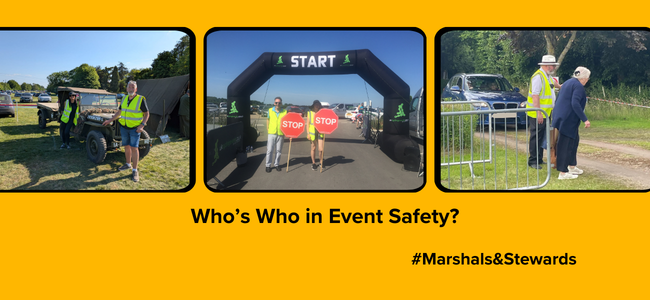
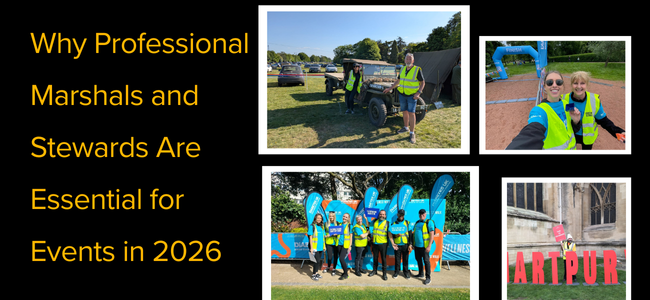
The Difference Between Marshals, Stewards and Security Staff When planning an event, one of the…
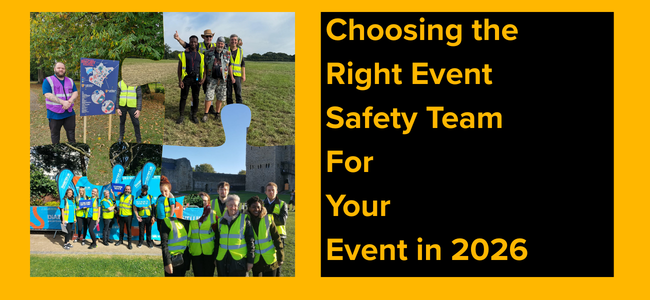
Choosing the Right Event Safety Team: Marshals, Stewards and Security
The Difference Between Marshals, Stewards and Security Staff
When planning an event, one of the most important decisions you will make is how to manage safety and crowd control. Whether you are organising a music festival, charity walk, sporting fixture or corporate function, you may find yourself asking an important question: what is the difference between marshals, stewards and security staff?
These roles are often grouped together, yet they serve distinct and essential functions within event safety management. Understanding those differences ensures you hire the right personnel, remain compliant with regulations and create a safe, well-managed environment for your attendees.
Why Understanding Event Safety Roles Matters
Event organisers carry a legal and moral responsibility to ensure the safety of everyone on site. Misunderstanding the roles of marshals, stewards and security staff can lead to:
Gaps in crowd management
Licensing or insurance issues
Poor incident response
Confusion among staff and attendees
By clearly defining each role, you can build a structured team that works efficiently and professionally.
What Are Event Marshals?
Event marshals are typically responsible for overseeing movement, monitoring safety and managing wider operational areas. They often take on a supervisory or mobile role across an event site.
Key Responsibilities of Marshals
Monitoring crowd flow across large areas
Managing traffic or road crossings at outdoor events
Supporting stewards at busy points
Acting as a link between event control and frontline staff
Reporting potential hazards or developing issues
At events such as charity walks, marathons or parades, marshals are particularly important for route management and participant safety. They ensure people stay on course, traffic is controlled where necessary and any incidents are quickly escalated.
Marshals are generally focused on safety coordination rather than enforcement.
What Are Event Stewards?
Event stewards are the visible, frontline personnel positioned at key areas within an event. Their role centres on access control, guidance and maintaining order in specific zones.
Key Responsibilities of Stewards
Managing entry and exit points
Checking tickets or accreditation
Controlling access to restricted areas
Directing attendees to facilities
Monitoring crowd density in high-traffic areas
Providing customer service and information
Stewards are essential at festivals, stadium events and large public gatherings. They are often the first point of contact for attendees, meaning they must combine authority with approachability.
While stewards help maintain order, they do not usually have the legal powers of licensed security staff. Their role is preventive and supportive rather than enforcement-based.
What Are Security Staff?
Security staff, often licensed under the Security Industry Authority (SIA) in the UK, have specific legal powers and responsibilities that go beyond those of marshals and stewards.
Key Responsibilities of Security Staff
Managing high-risk situations
Conducting bag searches
Handling physical confrontations
Removing individuals from site if necessary
Protecting VIPs or restricted areas
Supporting police or emergency services
Security staff are trained in conflict management and, where appropriate, physical intervention. They are required when events involve alcohol sales, high-profile guests or elevated risk factors.
Unlike marshals and stewards, licensed security personnel can legally detain individuals in certain circumstances and are authorised to use reasonable force if required.
The Key Differences at a Glance
While there can be overlap, the primary differences between marshals, stewards and security staff lie in authority, training and responsibility.
Marshals focus on coordination and safety monitoring across wider areas.
Stewards manage access control and provide guidance at fixed points.
Security staff enforce rules and manage higher-risk situations.
Each role supports the others, creating a layered and effective approach to event safety.
Do You Need All Three?
Not every event requires all three roles, but many benefit from a combination.
Festivals and Large Public Events
Large-scale festivals often require:
Stewards at entrances and stages
Marshals monitoring crowd flow
Licensed security staff managing searches and alcohol-related incidents
This layered approach ensures both safety and compliance.
Charity Walks and Community Events
Smaller events may rely primarily on marshals and stewards, particularly where traffic management and route control are required. However, if the event includes licensed bars or large crowds, security staff may also be necessary.
Corporate Events and VIP Functions
Where VIP protection, private areas or higher risk profiles are involved, security staff play a critical role alongside stewards managing guest access.
Why Role Clarity Improves Event Safety
Clearly defining responsibilities avoids confusion during an event.
When each team member understands their role:
Communication improves
Incidents are escalated appropriately
Attendees receive consistent instructions
Risk is reduced
For example, a steward identifying aggressive behaviour should alert security staff rather than attempting to manage a physical confrontation alone. Likewise, a marshal noticing congestion should coordinate adjustments rather than waiting for problems to escalate.
The Importance of Training
Regardless of role, proper training is essential.
Professional marshals and stewards receive training in:
Crowd control techniques
Conflict awareness
Emergency procedures
Safeguarding
Customer service
Communication skills
Security staff undergo additional licensed training covering physical intervention, search procedures and legal responsibilities.
Relying on volunteers without structured training increases risk and reduces effectiveness. Professional event staff bring experience, confidence and accountability.
Choosing the Right Event Safety Team
When hiring for your event, consider the following:
Expected crowd size
Alcohol licensing
Location and environment
Presence of vulnerable groups
Traffic management needs
Risk assessment outcomes
A reputable event safety provider can advise on the appropriate mix of marshals, stewards and security staff based on your event profile.
Investing in the right team protects not only your attendees but also your reputation and legal standing.
Event Safety in 2026: Raising Standards
Public expectations around safety continue to rise. Attendees expect professional management, visible staff and calm control.
Organisers who understand the difference between marshals, stewards and security staff are better positioned to deliver events that are:
Safe
Compliant
Well organised
Reputable
Clear role allocation reflects professionalism and commitment to best practice.
Building a Strong Event Safety Structure
Marshals, stewards and security staff each play a vital but distinct role in successful event management. Marshals oversee movement and safety coordination. Stewards manage access and guide attendees. Security staff enforce rules and handle higher-risk situations.
Understanding these differences ensures you deploy the right people in the right places, creating a safe and enjoyable experience for everyone involved.
When planning your next festival, charity walk or corporate event, take the time to assess your safety requirements carefully. The right combination of trained professionals will form the foundation of a secure, compliant and successful event.

Related Posts