The Difference Between Marshals, Stewards and Security Staff When planning an event, one of the…
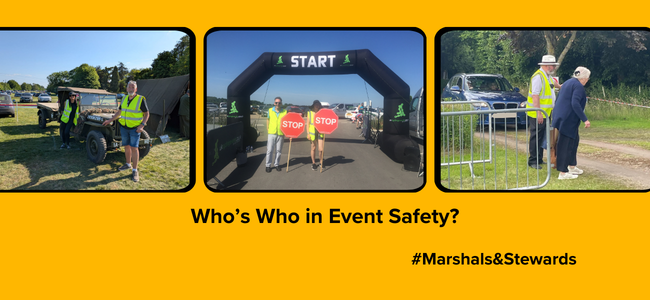
The Difference Between Marshals, Stewards and Security Staff
The Difference Between Marshals, Stewards and Security Staff
When planning an event, one of the most common areas of confusion is understanding the difference between marshals, stewards and security staff. The terms are often used interchangeably, but in reality, each role has its own responsibilities, strengths and purpose within event management.
Whether you are organising a busy summer festival, a charity walk, a sporting fixture, a town centre celebration or a corporate event, choosing the right event staff is essential. A safe and well-run event depends on having the right people in the right places, all working together to protect attendees, support organisers and keep everything moving smoothly.
Understanding the difference between these roles can also help you plan staffing levels more effectively, avoid unnecessary risk and make sure your event is both professional and welcoming.
Why event organisers need to understand these roles
Good event management is about far more than simply having people on site in high-visibility clothing. Every member of an event team should have a clear purpose.
If roles are unclear, problems can arise quickly. Organisers may end up with too few staff in key areas, too much reliance on volunteers, or unrealistic expectations placed on teams who are not trained for certain situations.
At its best, a well-staffed event feels calm, organised and safe. Guests know where to go, queues move efficiently, restricted areas remain secure and any issues are handled quickly and professionally. That level of control usually comes down to a combination of trained marshals, event stewards and, where needed, security staff.
What do marshals do at events?
Event marshals are usually responsible for keeping the wider event environment safe, organised and under control. They often have a mobile role and are particularly useful at outdoor events, road-based events and large public gatherings where people are moving between different areas.
Marshals are often used for:
- Route management at charity walks, fun runs and parades
- Car park guidance and vehicle movement
- Monitoring crowd flow across wider spaces
- Directing guests and answering questions
- Identifying hazards and reporting issues
- Supporting organisers with general event safety
At events such as charity walks or community festivals, marshals are often the people attendees see first. They help guide arrivals, keep people moving in the right direction and provide a reassuring presence throughout the day.
Marshals are particularly valuable when an event covers a large footprint. For example, if a charity walk stretches through a park, into public roads and around a town centre, marshals help keep participants safe, informed and on route. They can also communicate quickly with event control if a problem develops.
What do stewards do at events?
Event stewards are usually positioned at key points where crowd control, access management and public guidance are needed. Their role is often more fixed than that of marshals, although they may still move between zones depending on the size of the event.
Event stewards are commonly responsible for:
- Managing entrances and exits
- Checking tickets, passes or wristbands
- Controlling access to certain areas
- Monitoring queues
- Giving information to the public
- Watching for overcrowding or unsafe behaviour
- Helping maintain a calm and orderly atmosphere
Stewards are especially important at festivals, concerts, sporting fixtures, exhibitions and large public events where there are specific entrances, stages, hospitality areas or restricted zones.
A good steward is not just there to stand at a gate. They are part of the overall customer experience. Friendly, visible and confident stewards help guests feel reassured while also making the event look properly managed.
For many organisers, stewards offer the perfect balance between safety and service. They provide structure without making an event feel overly formal or intimidating.
What do security staff do at events?
Security staff have a different function from marshals and stewards. Their role is more focused on enforcement, protection and dealing with higher-risk situations. In the UK, security personnel often require the relevant SIA licence depending on the duties they are carrying out.
Security staff may be responsible for:
- Bag checks and searches
- Monitoring for suspicious behaviour
- Handling aggressive or disruptive individuals
- Protecting performers, VIP guests or private areas
- Responding to serious incidents
- Supporting emergency services or police
- Removing people from site when necessary
- Security staff are usually required when an event has a higher level of risk, such as licensed bars, late-night entertainment, large crowds, cash handling or VIP attendance.
While marshals and stewards focus largely on guidance, organisation and prevention, security staff are there to deal with more serious situations if they arise.
The main difference between marshals, stewards and security staff
The simplest way to explain it is this:
Marshals
Marshals help manage the wider movement and safety of people at an event.
Stewards
Stewards control access points, monitor crowd behaviour and provide frontline support to attendees.
Security staff
Security staff handle enforcement, searches, high-risk incidents and situations requiring licensed intervention.
In practice, there can be some overlap. All three roles support the safe running of an event. However, they should not be treated as identical.
That matters because hiring the wrong mix of event staff can create gaps in your planning. For example, a charity walk may need plenty of marshals along the route but very little formal security. A music festival, on the other hand, may need marshals, stewards and licensed security working side by side.
Why marshals and stewards are so important for modern events
In recent years, expectations around event safety have grown. Organisers are under increasing pressure to show they have planned carefully, staffed appropriately and considered the public experience from start to finish.
This is where professional marshals and stewards make such a difference.
They improve crowd management
Large groups of people need direction. Without trained marshals and stewards, even a friendly event can become chaotic. Entry points become congested, exit routes get blocked and guests become frustrated.
They support safety and compliance
Having trained event staff in place shows that safety is being taken seriously. This can support licensing requirements, risk management plans and insurance expectations.
They improve guest experience
Event guests notice when an event is well run. Clear directions, short queues and helpful staff all contribute to a better experience.
They protect your reputation
A poorly organised event is remembered for the wrong reasons. By investing in professional marshals and stewards, organisers reduce risk and create a far more polished impression.
Choosing the right staffing mix for your event
There is no one-size-fits-all answer when it comes to event staffing. The right combination depends on the type of event, the location, the number of people attending and the level of risk involved.
Festivals
Festivals often need all three roles.
Marshals for:
- Car parks
- Pedestrian routes
- General site movement
Stewards for:
- Entrances
- Stage areas
- Hospitality zones
- Public information points
Security staff for:
- Searches
- Licensed bar areas
- Backstage access
- Serious incident response
Charity walks and fun runs
These events are often heavily reliant on marshals, supported by stewards where needed.
Marshals for:
- Route points
- Road crossings
- Start and finish areas
- Participant guidance
Stewards for:
- Registration desks
- Entry and exit flow
- Spectator zones
Security may only be needed if the event is particularly large or includes extra risk factors.
Community and public events
Town events, parades and seasonal markets usually benefit from a mix of marshals and stewards, with security used depending on footfall and activity.
The key is to look at your event honestly. Think about where crowds will gather, where people may become confused, where access needs controlling and where more formal enforcement might be needed.
Why trained staff are better than relying on volunteers alone
Volunteers can be wonderful ambassadors for an event. They often bring energy, local knowledge and enthusiasm. But they are not always a substitute for trained event marshals and stewards.
Professional staff are used to working in busy, pressured environments. They know how to communicate clearly, stay calm, spot problems early and follow procedures.
That is especially important at larger festivals, charity walks and public gatherings where public safety is a serious responsibility.
Volunteers can absolutely support an event, but they work best alongside trained professionals rather than instead of them.
Did you know?
Fun fact about our event staffing last year
Last year alone, we sent out over 1000 marshals and stewards to support events across the UK.
That included everything from summer festivals and charity walks to community fun days, sporting events and seasonal celebrations. On some weekends, our teams were covering multiple locations at once, helping organisers create safe, smooth and enjoyable experiences for thousands of attendees.
It is a reminder of just how much work goes on behind the scenes to keep events moving.
What event organisers should ask before hiring staff
Before booking your team, it is worth asking a few practical questions:
What type of event staff do we actually need?
Do you need route marshals, entrance stewards, licensed security staff or a mixture?
How many guests are expected?
Bigger crowds require more visible support.
Are there restricted or VIP areas?
These may need stewards or security depending on the level of access control required.
Is the event spread across a large site?
If so, marshals will be particularly useful.
Is alcohol involved?
This may increase the need for security staff.
Are families, children or vulnerable guests attending?
Strong public-facing stewarding becomes even more important.
A professional staffing provider should be able to guide you through these decisions and recommend the right structure.
Why getting it right matters in 2026 and beyond
As events continue to grow in size and complexity, staffing can no longer be an afterthought. Organisers are expected to take crowd safety, public reassurance and event professionalism seriously.
Understanding the difference between marshals, stewards and security staff is part of that.
When you get the balance right, your event feels smoother, safer and better run. Guests feel looked after. Organisers feel supported. Risks are reduced. And the whole occasion benefits from a stronger sense of control.
The right people make all the difference
Marshals, stewards and security staff all have an important place in successful event planning, but they are not the same.
Marshals help manage movement and safety across wider spaces. Stewards support attendees, manage access points and maintain order in key areas. Security staff deal with higher-risk duties, enforcement and more serious incidents.
For festivals, charity walks and public events of all sizes, having the right staffing mix is one of the smartest decisions an organiser can make. It helps protect the public, supports compliance and creates a much better overall experience.
When event staffing is done properly, it often goes unnoticed by guests and that is usually a sign that everything is working exactly as it should.

Related Posts