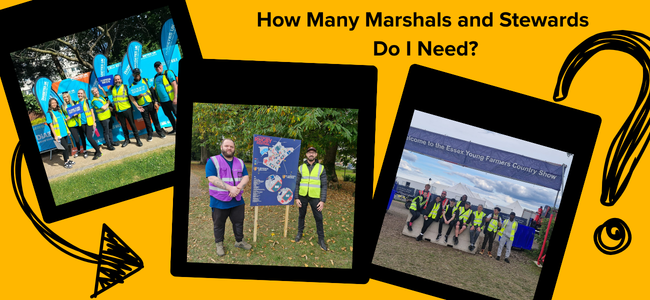
How Many Marshals and Stewards Do I Need for My Event? Preview: How many marshals…
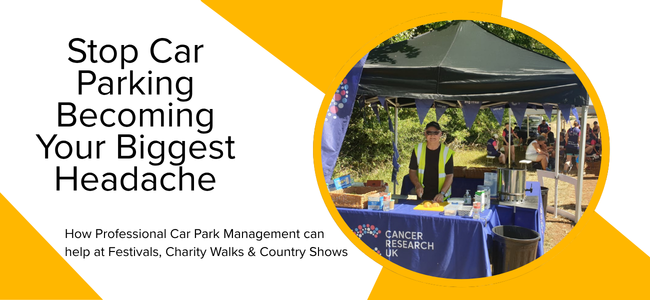
How Do You Stop Car Parking Becoming the Biggest Problem at Your Event?
How Do You Stop Car Parking Becoming the Biggest Problem at Your Event?
Before your visitors enjoy the entertainment, browse the stalls or take their first photograph of the day, they will all experience one thing first: arriving. A well-managed car park doesn’t just keep vehicles moving. It creates a positive first impression, improves safety and sets the tone for everything that follows. If you’re planning a festival, charity walk, country show or outdoor event this summer, here’s why experienced car park marshals could be one of the most valuable members of your event team.
You’ve Planned Everything… Then Someone Asks About the Car Park
Every event organiser knows the feeling. The entertainment has been booked months in advance, the traders have confirmed their pitches, ticket sales are looking encouraging, and the weather forecast is becoming something you check far more often than you probably should.
Then someone asks a simple question: “Where are all those cars actually going?”
It sounds obvious, but it’s remarkable how often parking becomes one of the last pieces of the puzzle. Not because it isn’t important, but because it’s easy to assume people will simply arrive, find a space and make their way in. The reality is often very different.
Whether you’re organising a summer festival, a charity walk, a country show or a community open day, your visitors begin forming an opinion long before they reach your entrance gates. It starts the moment they turn off the main road. If traffic is flowing smoothly, signage is clear and friendly marshals are there to welcome them, they relax immediately and know they’re in the right place. If they’re sitting in a queue that barely moves, watching another driver attempt a three-point turn in a field, the mood changes quickly. Frustration replaces excitement, and fairly or unfairly, that frustration often becomes associated with the event itself.
That’s why experienced organisers never see the car park as simply somewhere to leave vehicles. They see it as the beginning of the visitor journey.
Your Event Doesn’t Start at the Gate
Imagine attending a local food festival with your family. The children are excited, you’ve travelled over an hour, and you’ve planned which demonstrations to watch. As you get closer, traffic slows to a standstill. There’s no obvious entrance, and drivers start stopping to ask each other where they should be going. Nobody enjoys that experience.
Now picture the same event with experienced marshals directing traffic, temporary signage leading visitors well before the entrance, and parking areas opening in a planned sequence. Vehicles keep moving, queues stay manageable, and families arrive feeling relaxed rather than stressed. Nothing inside the event has changed. The entertainment, traders and food are identical, yet the overall experience feels completely different, because the first fifteen minutes of the day have been managed professionally.
You only get one opportunity to welcome your visitors, and for many of them, that welcome begins with the people guiding them safely into the car park.
Every Event Is Different, but Parking Challenges Are Surprisingly Similar
No two events are ever exactly the same. A three-day music festival has very different demands from a Sunday charity walk, and even two events on the same site can present different challenges depending on weather and audience. Despite this, the parking issues organisers face tend to be remarkably similar.
Visitors usually arrive within a short period, so a carefully planned parking area can go from empty to almost full in under an hour. Add exhibitors arriving with trailers, traders needing early access, disabled parking requirements, coaches and delivery vehicles, and what looked straightforward on paper quickly becomes a constantly changing operation. Visitors don’t know your site plan or which entrance you’d prefer them to use. They’re simply following sat nav, temporary signs, or the car in front, hoping they’re heading the right way.
This is where experienced marshals make a real difference. They’re not just directing cars into spaces; they’re managing the flow of hundreds, sometimes thousands, of individual decisions made by drivers who all want one thing: to park quickly and start enjoying the day. Good marshals constantly watch how traffic is building, spot where queues are forming, and communicate with colleagues so adjustments happen before small delays become major hold-ups. If one entrance becomes congested, the impact can quickly spread onto surrounding roads, affecting residents as well as visitors. That’s why keeping vehicles moving steadily often matters more than filling every space as fast as possible.
This experience becomes especially valuable outdoors, where conditions change in minutes. A dry field at eight in the morning can turn difficult after a summer downpour, or a route that worked during the site visit may need adapting once thousands of people are walking between car park and entrance. Experienced marshals make these calls calmly, so your event keeps running smoothly without visitors ever noticing the changes happening behind the scenes. They’re also thinking about pedestrian safety, emergency vehicle access, and families with pushchairs. And they remember that every vehicle that arrives will eventually need to leave again.
Why Experienced Marshals Are Worth the Investment
Problems are far easier to prevent than to solve. Once traffic backs up onto a public road or pedestrians are weaving between moving cars, recovering the situation is much harder than avoiding it in the first place.
To a visitor, a marshal might look like someone simply waving cars towards a space, but there’s far more happening behind the scenes. They’re judging whether one parking area is filling faster than another, watching pedestrian movement, and communicating by radio so the whole team shares the same picture of what’s happening across the site. It’s often small decisions, such as opening an overflow area ten minutes earlier than planned, redirecting traffic to a quieter entrance, or briefly holding vehicles while a group of pedestrians crosses, that prevent the kind of congestion which quickly leads to frustration.
Experience also brings confidence, and visitors are far more likely to follow instructions delivered calmly and clearly. Most people simply want reassurance they’re heading the right way, and a friendly, knowledgeable marshal provides exactly that. This becomes even more valuable when conditions are unpredictable. A field that looked fine during your site visit might soften after overnight rain, or a sudden rise in visitor numbers might mean opening extra parking earlier than planned. Experienced marshals adapt without creating unnecessary disruption.
Perhaps their greatest value, though, is the peace of mind they give you as the organiser. While you’re dealing with suppliers, exhibitors and the countless other tasks that arise on event day, you know there’s an experienced team focused solely on managing vehicle movement safely. When everything runs smoothly, parking is rarely something your guests remember. They’ll remember the music, the food, the atmosphere. Ironically, that’s the biggest compliment a parking team can receive: nobody gave the car park a second thought.
Don’t Forget About Home Time
One part of event planning that often gets far less attention than it deserves is what happens when everyone leaves at the same time.
Visitors arrive gradually throughout the day, but the end of an event is usually far more concentrated. Whether it’s the headline act finishing, the final race of a charity event, or the closing announcement at a country show, hundreds or thousands of people can head back to their cars within a short space of time. Without a clear departure plan, the calm atmosphere you’ve worked to create can disappear quickly: cars become blocked in, queues build at the exits, and local roads grow congested. The departure is often the last impression visitors take away, so it deserves just as much thought as the arrival.
Experienced marshals understand that leaving an event isn’t simply a case of opening the gates and hoping for the best. They keep directing traffic, keep vehicles moving safely, and communicate with each other to respond to changing conditions, reacting quickly if an exit becomes busy or traffic starts backing up onto surrounding roads. For visitors, that means ending the day on the same positive note it began, guided safely out of the venue rather than sitting in a field wondering why nothing is moving.
A Well-Organised Car Park Reflects a Well-Organised Event
Every successful event is built from hundreds of individual decisions. Some are obvious, like choosing the right venue or booking the right entertainment. Others happen quietly behind the scenes and are only noticed if they go wrong, and car park management falls firmly into that second category.
When parking is well planned, visitors rarely stop to think about it: they arrive safely, find a space without confusion, enjoy the event, and leave with positive memories of the day. When it’s poorly managed, it can overshadow everything else you’ve worked so hard to create.
Whether you’re planning a summer festival, charity walk, country show, agricultural event or community open day, experienced car park marshals help create that crucial first impression while supporting the safe and efficient movement of vehicles throughout the day. They provide reassurance for visitors, practical support for organisers, and the flexibility to respond when plans inevitably need to change.
The best events rarely feel busy, even when thousands of people attend. They feel organised. Visitors know where to go, traffic continues to move, staff are visible when needed, and problems are dealt with before they become noticeable. That isn’t down to luck. It’s the result of careful planning, experienced people, and a team working together behind the scenes.
Plan the Journey, Not Just the Parking
As you continue planning your next event, spend a few minutes looking at it through the eyes of your visitors rather than your own. Think about the journey they’ll make from the moment they leave the main road to the moment they walk through your entrance. Ask yourself whether the route is clear, whether parking will feel organised, and whether there are enough experienced marshals in place to guide people safely and confidently.
If you can answer those questions with confidence, you’ve already taken an important step towards creating an event that feels professional from the very first arrival to the very last departure.

Related Posts